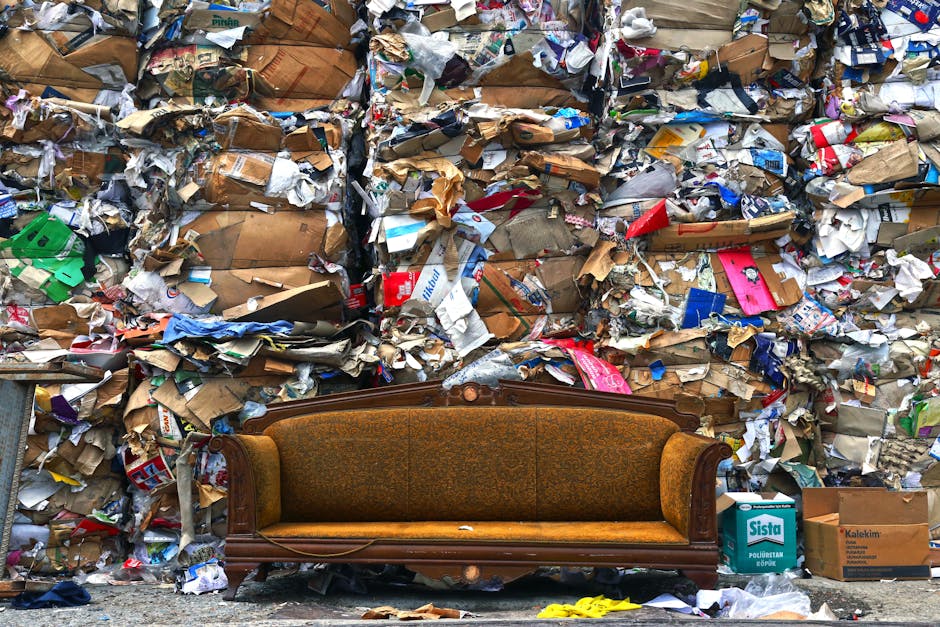
Sofa and Bulky-Waste Collection Options in Catford: A Practical Local Guide
Getting rid of an old sofa sounds simple until you actually try to move it. Suddenly you are measuring doorways, wondering whether it will fit in the lift, and staring at a worn armchair that seems to have doubled in weight overnight. If you are looking into Sofa and bulky-waste collection options in Catford, this guide walks you through the realistic choices, how each one works, and what to expect before the heavy lifting starts.
Catford homes come in all shapes and sizes, from compact flats to family houses with awkward stairwells and narrow hallways. That matters more than people think. The best disposal route is not always the cheapest on paper; it is the one that actually suits your access, your timeframe, and the item itself. In the sections below, you will find a clear breakdown of local collection routes, common pitfalls, and a few practical tricks that make the whole job less stressful. Let's face it, bulky waste is rarely glamorous. But it can be dealt with cleanly.
- Why it matters in Catford
- How collection works
- Benefits and practical advantages
- Who this is for
- Step-by-step guidance
- Expert tips
- Common mistakes to avoid
- Tools, resources and recommendations
- Law, compliance, standards, or best practice
- Options and comparison table
- Real-world example
- Practical checklist
- Conclusion
- Frequently asked questions
Why Sofa and Bulky-Waste Collection Options in Catford Matters
A sofa is one of those household items that seems friendly right up until it has to leave the house. It is large, awkward, and usually too heavy for one person to manage safely. In Catford, where many properties have limited pavement space, shared entrances, or tight internal layouts, the practical side of bulky-waste removal becomes even more important.
The right collection option helps you avoid clutter, reduce trip hazards, and free up living space without turning your week into a logistics puzzle. It also matters when you are moving house, replacing furniture, clearing a rental, or handling a deceased estate. In those moments, speed and reliability matter as much as cost. You want the item gone, properly handled, and not hanging around by the front door for three days.
There is also a sustainability angle. A sofa that is still usable may be suitable for reuse, while damaged items may need dismantling or recycling routes. Thinking through that early saves time and often gives you a better outcome than simply pushing everything into the nearest skip-sized solution.
Key takeaway: the best bulky-waste option is the one that matches the item's condition, your access, and how quickly you need the space back.
How Sofa and Bulky-Waste Collection Options in Catford Works
There are a few common ways people in Catford deal with a sofa or other bulky household waste. The exact route depends on the item, how many pieces you have, and whether you want a fast one-off pickup or a broader clearance service. Broadly speaking, the process is built around collection, handling, loading, and responsible disposal or reuse.
For a single sofa, a typical collection service will ask for basic details: item type, approximate size, access conditions, and whether the item is intact. If the sofa is easy to carry and does not need dismantling, collection is usually straightforward. If it has to be brought down several flights of stairs, or if there is no parking close by, that affects the time and the vehicle needed. Small detail, big difference.
If you are already arranging a move or clearing a room, some providers can combine furniture collection with removal support. That is where services like furniture pick-up can make sense, especially when you have more than one item to shift. For bigger household jobs, some people also look at home moves or house removalists if the bulky waste is part of a wider move rather than a stand-alone disposal job.
There is a practical split between collection for reuse and collection for disposal. Reuse-focused pickups are best for sofas that are still in decent condition. Disposal-focused collection is for damaged, stained, broken, or unwanted items that have no realistic second life. A good provider will be clear about which route is being used. If they are not clear, ask. Seriously, ask.
Key Benefits and Practical Advantages
There is more to bulky-waste collection than simply removing an old sofa from view. When it is done well, it brings a few immediate benefits that you can feel almost at once.
- More usable space: a cleared room looks larger, brighter, and easier to manage.
- Less physical strain: no risky lifting or dragging down stairs.
- Cleaner timing: you are not waiting around for days with the sofa blocking access.
- Better organisation: useful when preparing for a move, renovation, or tenancy handover.
- Reduced stress: one booking is usually easier than juggling bins, transport, and helpers.
There is also a hidden advantage: good collection support often prevents accidental damage. Scratching the hallway wall while wrestling a bulky sofa out of a flat is the sort of thing nobody needs on a Tuesday morning. A trained team with the right vehicle and handling method makes that far less likely.
For local households, combining bulky waste removal with a broader service can be sensible. If you are clearing a whole room before moving, a man and van or man with van option may be more efficient than arranging separate trips. For larger loads, a moving truck or removal truck hire can be the better fit. Not always. But often enough to be worth checking.
Who This Is For and When It Makes Sense
Sofa and bulky-waste collection is useful for a wide range of Catford residents and businesses. If any of the scenarios below sound familiar, you are probably in the right place.
- Homeowners replacing furniture: the old sofa has to go before the new one arrives.
- Tenants ending a lease: you need the flat cleared quickly and cleanly.
- Landlords and letting agents: an unwanted sofa left behind by a previous occupant.
- Families downsizing: too much furniture, not enough room.
- People dealing with damage: a broken frame, severe staining, or worn-out seating.
- Home movers: bulky items that will not be coming to the new property.
- Small businesses and offices: reception seating, waiting-room furniture, or old office sofas.
There is a slightly different decision to make if the sofa is part of a business move. In that case, services such as commercial moves or office relocation services may be more relevant than a simple collection. The same applies if the item is linked to an office clear-out or a workplace refit. Context matters more than people expect.
It makes sense when the item is too bulky for normal bin collections, too heavy for you to handle safely, or too awkward to transport in a standard car. If you find yourself asking, "How on earth am I going to get this out?", that is usually your cue to stop improvising.
Step-by-Step Guidance
Here is a straightforward way to think about the process from start to finish.
- Identify the items. List the sofa and any other bulky pieces that need removing.
- Check condition. Is it reusable, repairable, or clearly ready for disposal?
- Measure access. Note stairs, narrow doors, lifts, parking issues, and any tight corners.
- Decide the service type. Single-item pickup, full room clearance, or move-related removal.
- Prepare the item. Remove cushions, loose covers, and anything personal tucked inside.
- Clear the route out. Move shoes, lamps, plant pots, and anything that might get in the way.
- Confirm timing. Make sure someone is available if access or parking is tricky.
- Ask about handling. If the sofa needs dismantling, clarify whether that is included.
- Complete the handover. Make sure the right item is being collected and that you know what happens next.
A practical example: if your sofa is in a third-floor flat near Catford station and the lift is out of order, that changes the job completely. A good collection plan will account for the extra labour and time. It is not about overcomplicating things. It is about being realistic before the van turns up and everybody starts sweating.
If you are preparing for a move as well, planning packaging and access together can save a surprising amount of time. In those cases, packing and unpacking services can help reduce the chaos around the collection day. It sounds like a luxury until you are standing in a half-packed room with a sofa in the middle of it.
Expert Tips for Better Results
A few small decisions can make the whole process easier. None of these are flashy, but they make a real difference.
- Measure the sofa first. Knowing width, depth, and height saves guesswork.
- Photograph access points. A quick image of the hallway or entrance can help the collection team plan properly.
- Remove detachable parts. Legs, cushions, and loose covers often make the move safer and easier.
- Keep the route clear. A clean path out prevents snags and reduces the chance of damage.
- Ask about mattresses, chairs, and other bulky items at the same time. One combined pickup is often more efficient than separate jobs.
Another useful habit: think about the end point, not just the pickup. If the sofa has reusable value, that may influence whether you choose collection for reuse or disposal. If it is beyond saving, do not overthink it. Worn springs and collapsed cushions are not becoming a statement piece any time soon.
And here is a small one that people forget: check whether the item will be easier to move after removing feet or arms. Sometimes a five-minute bit of prep saves a messy twenty-minute struggle. Funny how often that happens.
Common Mistakes to Avoid
Bulky-waste removal tends to go wrong in predictable ways. The good news is that most of them are easy to avoid once you know what to look for.
- Not measuring first: a sofa that seems manageable in the lounge can become a brick in the hallway.
- Assuming every provider handles dismantling: not all collection services include it, so ask clearly.
- Leaving the item in a difficult spot: if the team has to move it through clutter, the job takes longer and may be less safe.
- Forgetting access details: restricted parking, basement access, and tight staircases all matter.
- Mixing useful and useless items without sorting: this can slow down collection and sometimes change the disposal route.
- Leaving booking too late: if you need the room clear by a certain day, build in a little buffer.
One of the more common issues is expecting a collection to behave like a bin lift. It does not. Bulk removal is a physical job, and the logistics are part of the service. That is why the best results usually come from giving accurate details from the start, even if the sofa is a bit battered and embarrassing. No judgement. They have seen worse.
Tools, Resources and Recommendations
You do not need a warehouse full of equipment to prepare for sofa collection. A few simple things are enough.
- Tape measure: for sofa dimensions and doorway widths.
- Phone camera: to photograph access routes or awkward corners.
- Gloves: useful for removing debris, dust, or loose fittings.
- Marker pen or labels: handy if multiple items are being cleared at once.
- Old sheet or dust cover: useful if you need to protect floors while moving the item.
If you are trying to decide between a small pickup and a more comprehensive removal option, it helps to think in terms of load size and complexity. A single sofa in a ground-floor property may be straightforward. A sofa, armchair, coffee table, and a few boxes in a cramped upper-floor flat is a different beast. In that situation, using a larger vehicle or full removal support can be the calmer choice.
For readers who want a bit more flexibility, services like man and van are often practical for mixed loads, while moving truck or removal truck hire can suit heavier or higher-volume jobs. It depends on the day, really, and on how much furniture you are trying to shift before lunch.
Law, Compliance, Standards, or Best Practice
For bulky waste in the UK, the main thing to keep in mind is duty of care: your waste should be handled responsibly and not abandoned somewhere it should not be. That is especially important with sofas, because they are large, difficult to transport, and sometimes contain materials that should not simply be dumped. If a service claims to remove waste, it should do so in a lawful and traceable way.
Best practice is to use a provider that is clear about what will happen to the item. If a sofa is reusable, it may be suitable for rehoming. If it is damaged, worn out, or no longer safe to use, it should be processed for proper disposal or recycling where possible. The key is transparency. You do not need a lecture, just a clear answer.
It is also sensible to be careful with personal belongings. Sofa cushions, storage compartments, and hidden pockets can hold everything from remote controls to old receipts. Weirdly often, there is a tenner or a missing pen in there too. Check before collection day.
Where businesses are involved, documentation and access planning become even more important. A commercial setting may have building rules, timed loading windows, or shared access arrangements. If that sounds familiar, services linked to commercial moves or office relocation services can help coordinate a cleaner handover.
Options, Methods, or Comparison Table
Different collection routes suit different situations. Here is a simple comparison to help you decide.
| Option | Best for | Strengths | Watch-outs |
|---|---|---|---|
| Single-item bulky-waste collection | One sofa or a few small bulky items | Simple, focused, often quick to arrange | May be less suitable for awkward access or multiple loads |
| Furniture pick-up | Reusable or condition-sensitive furniture | Useful when the item can be passed on or removed as furniture | May need clearer item-condition details |
| Man and van | Mixed household items and light removals | Flexible, good for a room clear-out | Not always ideal for very large or heavy loads |
| Moving truck or removal truck hire | Larger jobs and heavier furniture | More capacity, better for multiple bulky items | Can be more than you need for a single sofa |
| Home or house removal support | Full property moves with unwanted furniture | Good when bulky waste is part of a bigger move | Not the lightest option for a one-off item |
To be fair, there is no universal winner here. The best choice depends on quantity, access, and timing. If you are unsure, start by asking yourself one simple question: am I removing one awkward item, or am I clearing a larger space? That answer usually points you in the right direction.
Case Study or Real-World Example
A fairly typical Catford scenario goes like this. A couple in a top-floor flat decide to replace their old three-seater sofa before new flooring is fitted. The sofa is still intact but heavy, and the stairwell is narrow. The building has limited parking and a tight turning space outside.
At first, they think about borrowing a van and doing it themselves. Then they measure the hallway properly and realise the sofa will need turning twice just to leave the building. That is the moment people usually say, "Right, maybe not." They arrange a collection that can handle access properly, remove the cushions and feet beforehand, and clear the route from the flat to the street. The job is completed in one visit, with no wall scuffs and no awkward back-and-forth to the car.
What made the difference was not brute strength. It was planning. A little paperwork in the brain, basically. The sofa was gone, the room was ready, and the flooring work could go ahead on schedule. Not a dramatic story, but very real. And honestly, that is what good bulky-waste collection should feel like: uneventful in the best possible way.
Practical Checklist
Use this checklist before collection day.
- Measure the sofa and any other bulky items.
- Check whether the item is reusable, damaged, or ready for disposal.
- Remove cushions, feet, and loose accessories if possible.
- Clear the route from the item to the exit.
- Note stairs, lifts, door widths, and parking restrictions.
- Confirm whether dismantling is needed or included.
- Bundle any other bulky items into the same job if that helps.
- Keep children, pets, and clutter out of the path.
- Double-check timing so someone is available if access is required.
- Set aside anything personal that might be tucked inside the sofa.
If your collection forms part of a larger move, it may be worth reviewing broader support such as home moves or house removalists. That way, you are not solving one piece of the puzzle only to discover another one has appeared.
Get a free quote today and see how much you can save.
Conclusion
Sofa and bulky-waste collection in Catford is really about choosing the path that fits your home, your timing, and your item's condition. For one person, that might mean a simple pickup. For another, it might mean blending furniture removal into a move, office clear-out, or full household clearance. There is no single neat answer, and that is fine.
The main thing is to plan early, measure honestly, and choose a method that keeps the job safe and efficient. Once you do that, the whole thing becomes much less of a headache. The room opens up, the clutter disappears, and you get that small but satisfying feeling of having your space back. Quietly brilliant, really.
Frequently Asked Questions
What are the main sofa and bulky-waste collection options in Catford?
The main options are single-item bulky-waste pickup, furniture collection for reusable items, man and van support for mixed loads, and larger removal vehicle hire for heavier or more complex jobs.
Can a sofa be collected if it is upstairs?
Yes, but upstairs access usually needs to be discussed in advance. Stairs, narrow landings, and tight turns can affect the time, labour, and vehicle planning required.
Is it better to choose furniture pick-up or bulky-waste collection?
If the sofa is reusable or in decent condition, furniture pick-up may be the better fit. If it is damaged, stained, or no longer usable, bulky-waste collection is usually more appropriate.
How do I prepare a sofa for collection?
Remove cushions and any loose parts, check for personal items, and clear the route from the sofa to the exit. If possible, measure it first so there are no surprises on the day.
What if I have more than one bulky item?
If you have several items, a larger vehicle or a broader removal service may be more efficient than booking separate collections. It often saves time and reduces hassle.
Do I need to dismantle the sofa myself?
Not always, but it depends on the service and the item. Some providers may include dismantling, while others will expect the item to be ready for loading. Always confirm before booking.
Can bulky-waste collection be combined with a house move?
Yes. In many cases, it makes perfect sense to combine removal of unwanted furniture with a move. Services like home moves or house removalists can help with that wider planning.
How long does sofa collection usually take?
That depends on access, item size, and whether there are multiple pieces. A straightforward ground-floor collection is quicker than a top-floor flat with restricted parking.
What should I check before booking?
Check item dimensions, access details, whether dismantling is needed, and whether you have additional bulky items to add. Accurate details make the process much smoother.
Is it safe to move a sofa on my own?
Usually not a great idea. Sofas are heavy, awkward, and hard on backs, hands, and walls. If the item is large or access is awkward, it is better to use proper collection support.
What if my sofa has hidden storage or loose parts?
Open all storage sections and remove anything stored inside before collection day. It is easy to forget a remote, magazine, or spare cable when you are focused on the bigger job.
When does removal truck hire make sense for bulky waste?
It makes sense when you have a larger load, several heavy items, or a mixed household clear-out. For a single sofa, it may be more capacity than you need, but for a full room it can be ideal.
If you are still weighing up the right route, a quick chat about your access and item type is usually the best next step. A bit of clarity early on can save a lot of effort later, and that is worth it.