Skip permits, parking suspensions and fines in SE6
If you are arranging a skip, a parking suspension, or a move that affects roadside space in SE6, the small details can save you a surprisingly big headache. Miss one step and you may end up with delays, extra charges, or a fine that feels annoyingly avoidable. To be fair, this is one of those jobs where the paperwork is rarely exciting, but the knock-on effects are very real.
This guide explains Skip permits, parking suspensions and fines in SE6 in plain English. You will learn what the terms mean, how the process usually works, why local parking rules matter, and how to plan the job sensibly so you are not left dealing with a half-delivered skip, a blocked road, or a penalty notice on the windscreen. The aim is simple: help you stay compliant, keep the day running smoothly, and make a sensible decision before anything gets booked.
One thing people often underestimate is how much local access issues can shape a removal or clearance job. A skip outside a property, a van loading on a tight residential street, or a temporary parking suspension during a home move can all interact in awkward ways. If that sounds familiar, you are in the right place.
Table of Contents
- Why Skip permits, parking suspensions and fines in SE6 Matters
- How Skip permits, parking suspensions and fines in SE6 Works
- Key Benefits and Practical Advantages
- Who This Is For and When It Makes Sense
- Step-by-Step Guidance
- Expert Tips for Better Results
- Common Mistakes to Avoid
- Tools, Resources and Recommendations
- Law, Compliance, Standards, or Best Practice
- Options, Methods, or Comparison Table
- Case Study or Real-World Example
- Practical Checklist
- Conclusion
- Frequently Asked Questions
Why Skip permits, parking suspensions and fines in SE6 Matters
SE6 has a mix of residential streets, busier routes, and parking restrictions that can make waste placement and loading more complicated than it looks at first glance. Even when a property seems straightforward, the available road space may be tight, the pavement may not be suitable for obstruction, or nearby bays may already be heavily used. That is where permit planning becomes more than admin; it becomes part of the job itself.
A skip permit matters because a skip placed on the public highway usually needs permission. A parking suspension matters because the area you need for a van, lorry, or skip may need to be reserved temporarily. Fines matter because local restrictions are enforced, and enforcement does not pause just because the job is running late or the booking was made in a rush. Let's face it, that is exactly when people get caught out.
In practice, the cost of getting this wrong can be wider than the penalty itself. You might lose the delivery slot, need to reschedule your removals team, or pay for extra time while the skip or vehicle waits offsite. If you are managing a home move, a clearance, or an office relocation, that is time you rarely have to spare.
For many readers, this topic is really about avoiding friction. Less chasing, fewer last-minute changes, and a cleaner handover on the day. That is the real value.
How Skip permits, parking suspensions and fines in SE6 Works
Although every local situation is slightly different, the basic idea is consistent. If a skip or a vehicle will occupy public space, the responsible party should check whether a permit, suspension, or other parking arrangement is needed before the booking begins. In many real-life jobs, especially on narrower roads, this is not optional if you want the day to go smoothly.
Skip permits
A skip permit is typically required when a skip is placed on the road rather than entirely on private land. It is designed to make sure the placement is safe, visible, and properly authorised. The permit process is usually handled in advance, and it may involve specifying the location, dates, and the size of the skip. If the skip is oversized for the space available, or if there are access issues, it may be refused or require changes.
Parking suspensions
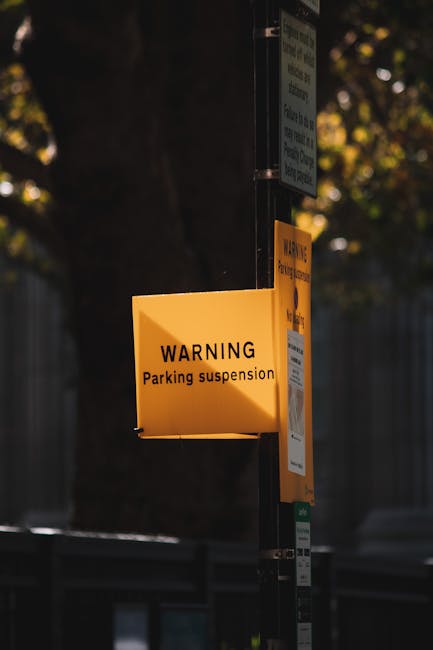
A parking suspension temporarily removes normal parking rights from a bay or stretch of road. This can be useful for a moving truck, a removal van, or loading access when the street would otherwise be too tight. In a busy area, it can make the difference between a smooth loading window and a maddening stand-off with traffic and parked cars. You know the scene: the van is ready, boxes are out, and the bay is already full. Not ideal.
Fines and enforcement
Fines usually arise when a vehicle, skip, or loading activity breaches local parking controls, permit conditions, or placement rules. That can include overstaying in a restricted bay, placing a skip without the right approval, or failing to respect the timing and markings on a suspension. The exact enforcement route depends on the situation, but the message is simple: if the arrangement is not properly authorised, the risk rises quickly.
Good planning helps you avoid this. It also makes the day calmer for everyone involved. There is a world of difference between a job that starts with crossed fingers and one that starts with a clear plan.
Key Benefits and Practical Advantages
Getting permits and parking arrangements right is not just about avoiding trouble. It also creates a better working environment for the whole move or clearance.
- Smoother loading and unloading: When the space is reserved properly, crews can work faster and with fewer interruptions.
- Lower risk of penalties: This is the obvious one, but it still matters most. Staying compliant is usually cheaper than fixing a mistake.
- Better access for larger vehicles: If you are using a moving truck or arranging a heavier delivery, road space becomes precious very quickly.
- Less stress on moving day: Anyone who has tried to organise a move while circling for parking will appreciate this. It is one less thing to worry about.
- More predictable timing: A permit or suspension can help keep the schedule tight, especially during morning rush periods or on narrow residential roads.
- Better neighbour relations: A properly managed job tends to create less friction with nearby residents, which is a small but real win.
For businesses, the benefits can be even more practical. If you are relocating a workspace, a clearance point, or stock from a premises, an orderly loading setup can reduce disruption. A commercial team may also need coordinated timings with commercial moves or office relocation services, where every minute feels expensive. That is not dramatic, just reality.
Who This Is For and When It Makes Sense
This topic matters to far more people than skip hire customers alone. In SE6, the likely users include homeowners, tenants, landlords, office managers, tradespeople, and anyone handling bulky items or waste on a road with restrictions.
Home movers and tenants
If you are moving house, you may need temporary road space for a van, a loading bay, or short-term suspension to stop other cars taking the space you need. A house move can unravel fast if the van is forced to park half a street away. That is where services like home moves and house removalists become easier to manage when parking is sorted in advance.
Clearance and disposal jobs
If the job involves furniture, white goods, or mixed household waste, skip placement can become part of the logistics. A direct pick-up may be enough in some cases, but if items are bulky or there is a lot to move, a skip or truck staging area might be more realistic. For one-off collection work, furniture pick-up can sometimes be the simpler route, but the street still needs to work for loading.
Businesses and landlords
Commercial occupiers often need a neat, time-bound plan. Office moves, stock clearances, and refurbishments all involve vehicles arriving, loading, and leaving without drama. The tighter the street or the shorter the access window, the more important parking control becomes. In those cases, a carefully organised man and van or man with van service can be useful, especially where full-scale removal equipment would be overkill.
When it makes sense to act early
It makes sense to look at permits and suspensions early if any of these apply:
- the road is narrow or heavily parked
- you are working to a fixed move-out date
- the skip or vehicle will sit on public land
- there are time restrictions on loading
- you are coordinating with several helpers or contractors
Truth be told, the earlier you think about access, the less likely it is that you will be improvising at 7:30 on a wet morning with a van idling outside.
Step-by-Step Guidance
If you want to avoid fines and keep the booking straightforward, use a simple planning sequence. It is boring, yes. It also works.
- Check where the skip or vehicle will sit. Private driveway, forecourt, or public highway? That first distinction changes everything.
- Measure the space realistically. Include room for doors, loading, turning, and any overhang. A tight fit on paper often becomes a headache in real life.
- Confirm whether a permit or parking suspension is needed. If the arrangement will affect public space, do not assume it is fine by default.
- Match the booking to the move or clearance window. Avoid booking too early if the road needs to stay clear, but do not leave it so late that the skip or van arrives before approval is in place.
- Plan for access changes. Nearby parked cars, school runs, collections, or peak-time traffic can all change the practical picture.
- Keep documents and booking details to hand. This is especially useful if enforcement officers or site staff need to confirm the arrangement.
- Build in a buffer. Even a short delay can affect the rest of the day, so leave some breathing room if you can.
A small real-world example: a customer has a skip booked for Friday morning, but the delivery lorry cannot stop near the property because the road is already filled with residents' cars. If the permit or suspension had been sorted earlier, the skip could have gone down in the reserved space and the whole job would have moved on without fuss. Simple, but that is the point.
Expert Tips for Better Results
There are a few habits that consistently reduce risk. None of them are glamorous, but they are effective.
- Choose the right vehicle size. A larger truck is not always better. Sometimes a smaller setup is easier to place, park, and unload.
- Pair access planning with the service type. If the move includes both furniture and loose items, consider whether packing help or staging support would reduce time on the street. Services like packing and unpacking services can cut the pressure on the day.
- Keep the loading route clear. Hallways, front steps, bins, and side gates can become bottlenecks when time is tight.
- Use early-morning or quieter windows if possible. Less traffic usually means fewer awkward manoeuvres. You can almost hear the difference outside.
- Ask about permit timing before you book the vehicle. The best moving plan is the one that aligns the permit with the actual arrival window, not the other way round.
One tip people often ignore: consider whether the job truly needs a skip, or whether a direct collection or van-based removal is more efficient. If the volume is manageable, a removal truck hire or a smaller vehicle might be enough. Less footprint, less disruption, fewer moving parts. Sometimes the smaller solution is the smarter one.
Common Mistakes to Avoid
Most problems with skip permits, parking suspensions, and fines in SE6 come from a short list of avoidable mistakes.
- Leaving it too late: Permits and suspensions are not something to sort on the morning of delivery.
- Assuming private land rules apply to the road: They usually do not. The public highway is a different matter entirely.
- Booking the wrong size arrangement: A skip or vehicle that is too large can block access and create pressure on the schedule.
- Forgetting about nearby restrictions: Bus stops, yellow lines, and other controls can narrow your options quickly.
- Not checking the job sequence: If the skip arrives before the clearance team or after the waste is already piling up, the day becomes clumsy fast.
- Overlooking paperwork: A missing confirmation or unclear instruction can become a problem if someone queries the setup.
There is also a subtle mistake people make: treating parking access as separate from the move itself. In reality, it is part of the move. If you need it, plan for it like any other resource. That small mindset shift makes a big difference.
Tools, Resources and Recommendations
You do not need specialist software to handle this well, but a few simple tools and habits help a lot.
- Phone calendar reminders: Set alerts for permit deadlines, delivery windows, and collection times.
- Street photos: A quick photo of the loading area can help you judge whether the space is really suitable.
- Measurement notes: Record curb width, bay length, and any obstacles like posts, planters, or low branches.
- Written instructions: If helpers or drivers are involved, make the access plan easy to follow.
- Service comparison: Decide whether you need a full move, a simple van job, or a mixed solution. For many households, a standard man with van booking is enough; for larger or more complex jobs, a bigger vehicle or full removals support may be better.
If you are unsure how much support you need, it can help to compare the job type against the service rather than starting with the vehicle. Home relocation, office relocation, and single-item collection all have different demands. A little planning up front saves a lot of scrambling later.
Law, Compliance, Standards, or Best Practice
Parking control and skip placement are areas where local rules and practical standards matter. While the exact process depends on the location and the authority involved, the safe approach is always the same: assume public-space use needs checking, and avoid taking chances with roadside placement.
Best practice usually includes:
- confirming whether the skip or vehicle will occupy public highway space
- checking if a permit or parking suspension is required before booking
- respecting the exact times and conditions of any approval
- keeping access routes safe and clear
- making sure drivers and helpers understand the plan
That may sound obvious, but in busy local streets obvious things get missed. A van half parked on double yellows, a skip that slightly overlaps a restricted area, or a collection that runs long can all attract enforcement attention. The fine is only one part of it; the delay and stress are usually worse.
If the job involves professional removals, a reputable provider should be able to talk through access needs clearly and explain what is likely to be required. That is one reason people often pair local planning with established services such as about us information and direct contact us support before the date is fixed. It is basic good practice, really.
Options, Methods, or Comparison Table
Choosing between a skip, a parking suspension, or a van-based removal depends on the job. The right option is often the one that creates the least disruption, not the one that sounds biggest.
| Option | Best for | Strengths | Watch-outs |
|---|---|---|---|
| Skip on public road | Mixed waste, bulky clear-outs, ongoing loading | Convenient for staged disposal, good for larger clearances | Usually needs permission and careful placement |
| Parking suspension | Removal vehicles, loading bays, time-sensitive access | Reserves space, reduces parking conflict | Timing must be planned carefully, and conditions must be followed |
| Private driveway or forecourt use | Homes or premises with enough off-street space | Often simplest and lowest risk | Not always available, especially in tighter SE6 streets |
| Van-based collection | Smaller moves, single-item removals, lighter clearances | Flexible, quicker to position, can be easier in narrow roads | May need multiple trips if volume is higher |
If you are comparing options, think first about access, then about waste volume, then about time. That order matters more than people realise. For example, a small flat on a constrained street may be better served by a compact vehicle and a short loading window than by a large skip that blocks the road and drags on all day.
Case Study or Real-World Example
Here is a typical SE6 scenario, the sort of thing that comes up more often than people expect.
A family is moving out of a terraced property with limited front space. They have a few large items, some boxed belongings, and a set of old furniture to clear. At first, they assume a skip will solve everything. Then they notice the road is already tight with residents' parking and the available frontage is too small to work safely without affecting the pavement.
After checking the access properly, they switch to a combined plan: a smaller removal vehicle for the move, a separate furniture pick-up for the items they do not want to keep, and a short, clearly timed loading window. Because the road space is sorted in advance, the crew can park closer to the house and get the job done without repeated shuttling.
The difference is not dramatic from the outside. No one is applauding the logistics. But the family finishes on time, there is no awkward ticket on the windscreen, and the street is not blocked longer than necessary. Honestly, that is what good planning looks like. Quiet, uneventful, efficient.
Practical Checklist
Use this before you confirm any skip, suspension, or roadside loading plan in SE6.
- Check whether the item will sit on private land or public highway
- Measure the available space carefully
- Decide whether you need a skip, a parking suspension, or a vehicle-based removal
- Confirm the delivery and collection window
- Build in time for access delays
- Make sure helpers know where to park and where to load
- Keep confirmation details easy to find on the day
- Check for nearby restrictions that could affect stopping or unloading
- Plan for weather, traffic, and school-run pressure if relevant
- Review the booking one last time before the date arrives
If that list feels a bit fussy, fair enough. But it is the sort of fuss that protects your time and budget.
Conclusion
Skip permits, parking suspensions, and fines in SE6 are really about one thing: managing space properly so the job can happen without expensive interruptions. When the access is right, the whole process feels calmer, safer, and more professional. When it is wrong, everything gets harder than it needs to be.
The best approach is to treat parking and placement as part of the job plan, not an afterthought. Check the street, confirm the space, match the vehicle or skip to the setting, and leave enough time for approvals. That simple mindset can save you time, stress, and a pointless fine.
If you are arranging a move, clearance, or vehicle-led delivery in SE6, it is worth taking the access side seriously from the start. A few careful decisions now can save a lot of awkwardness later, and that is usually money well spent.
Get a free quote today and see how much you can save.
Frequently Asked Questions
Do I need a permit for a skip in SE6?
If the skip is going on the public highway, a permit is commonly needed. If it will sit entirely on private land, the rules may be different. Always check the exact placement before booking.
What is a parking suspension and why would I need one?
A parking suspension reserves a parking bay or stretch of road for temporary use. It is useful when you need clear access for a moving vehicle, loading, or a placement area that must stay free.
Can I avoid fines by using a small van instead of a skip?
Sometimes, yes. A smaller vehicle may be easier to park and load, especially on narrow streets. But you still need to check whether the stopping position is allowed and whether any restrictions apply.
What happens if a skip is delivered without the right permission?
That can lead to enforcement action, removal issues, delays, or penalties. It is best not to assume the placement will be tolerated just because it is temporary.
How far in advance should I sort parking arrangements?
As early as possible. The exact timing varies, but last-minute planning is risky when public road space is involved. Early action gives you more choice and fewer surprises.
Are parking suspensions useful for house moves?
Yes, especially where parking is tight and you need the van close to the property. They can make loading faster and reduce the chance of the vehicle being forced to stop far away.
What is the difference between a skip permit and a parking suspension?
A skip permit usually relates to placing a skip on a road or other public area. A parking suspension reserves parking space for a vehicle or access need. They solve different problems, even though they are often discussed together.
Can I use my driveway instead of applying for anything?
If your driveway or forecourt is suitable and the skip or vehicle stays fully on private land, you may not need a public-space permission. But the space must actually fit the job safely. Tight does not count as suitable.
What if my moving truck cannot fit where I expected?
That is exactly why access planning matters. If the truck is too large, you may need a smaller vehicle, a better loading point, or a parking suspension to free up a workable space.
Do I need special planning for furniture or single-item collection?
Often, yes, if the collection vehicle has to stop on a restricted street. A single sofa can still trigger parking problems if the road is narrow or busy.
Is it better to hire a full removals team or a man and van service?
It depends on the size and complexity of the job. A full removals team suits larger or more structured moves, while a man and van setup can be a practical choice for smaller loads or simpler access needs.
What should I do if I am unsure whether the road space is enough?
Measure it, look at the surrounding restrictions, and err on the side of caution. If in doubt, choose a smaller setup or get specialist advice before the booking is fixed. A bit of caution now saves a lot of annoyance later.