Relocating a Victorian home in Catford: lessons learned
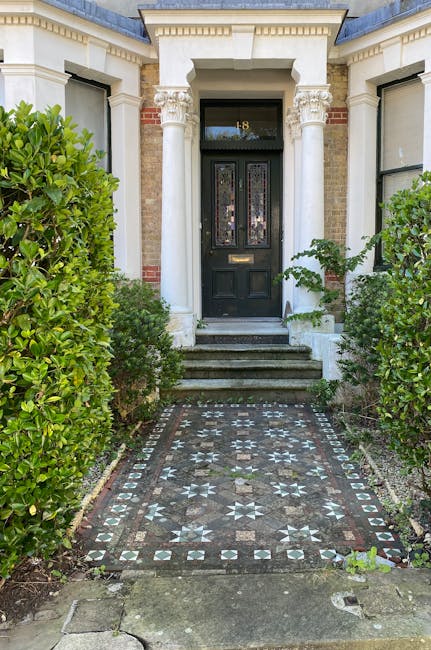
Moving a Victorian property is not quite the same as moving a modern boxy house with wide hallways and easy access. In Catford, that difference can show up fast: tight front steps, awkward room sizes, fragile plaster, older joinery, and the sort of access issues that make you stop and think, right, let's do this properly. This guide on Relocating a Victorian home in Catford: lessons learned is built around the realities people actually face, not the glossy version of house moving that looks neat on paper and then falls apart by 10 a.m. on moving day.
Whether you are shifting within SE6, heading out of the area, or bringing a period home into your life for the first time, the same truth tends to apply: the move is manageable, but only if you plan for the building itself as much as the boxes. Below, you will find practical guidance on access, packing, timing, permits, fragile items, and the common mistakes people make when moving a period home in a busy London neighbourhood.
Why Relocating a Victorian home in Catford: lessons learned Matters
Victorian homes are often loved for their character, but that character comes with quirks. In Catford, where streets can vary a lot from one pocket to the next, those quirks become very practical very quickly. A staircase that looks charming in the estate agent photos can become the biggest obstacle on moving day. A narrow hallway can slow down sofa removal. Original floors may need more protection than you first expect. And if you are dealing with a terraced home, parking and loading can get fiddly before you have even wrapped the first mirror.
Why does this matter? Because moving a Victorian house is not simply about getting furniture from A to B. It is about protecting the fabric of the home, keeping people safe, avoiding delays, and making sure the move does not turn into a weekend-long scramble. Truth be told, the buildings often tell you what they need if you pay attention early enough. You just have to listen.
It also matters because older homes tend to have more sentimental, heavier, or awkward items. Think grandfather clocks, cast-iron radiators, oversized wardrobes, pianos, and framed artwork that does not fit neatly into a standard box. These need more than enthusiasm. They need a process.
For anyone planning a broader move in the area, useful local reading can also help you think through access, timing, and packing. For example, the practical advice in how to avoid moving-day delays in Catford and tips for narrow stairs in terrace homes fits the same kind of challenge you meet in many Victorian properties.
How Relocating a Victorian home in Catford: lessons learned Works
The process is straightforward in principle, but there are more moving parts than people sometimes expect. A good move starts with understanding the layout of the property, then matching the plan to the access, then matching the vehicle and crew to both. In other words, you do not begin with the van. You begin with the building.
A typical Victorian-home move in Catford often involves these stages:
- Pre-move survey: Measuring doors, stair turns, landings, tight corners, and any restrictions on street parking or loading.
- Risk spotting: Identifying delicate items, difficult furniture, valuable pieces, and any parts of the house that need protection.
- Packing strategy: Deciding what gets boxed, wrapped, dismantled, carried separately, or moved last.
- Vehicle planning: Choosing the right size of removal vehicle and confirming loading access.
- Moving-day sequencing: Loading in the right order so the fragile and awkward items do not get buried.
- Arrival and placement: Unloading carefully, checking rooms, and putting furniture where it belongs before fatigue sets in.
That sounds orderly enough, but real homes rarely behave like a checklist. One room will take longer than planned. A banister might be tighter than expected. The weather may be doing that classic London thing where it looks dry until the exact moment a mattress is at the front door. So the best systems build in slack time and flexibility.
Most lessons learned in Catford come down to one simple idea: Victorian homes reward patience. Rush them and they bite back a little. Not dramatically, usually, but enough to cost time and stress.
Key Benefits and Practical Advantages
When you move a Victorian home well, the benefits are not just about convenience. You protect the property, reduce damage risk, and make life easier for everyone involved. That is especially useful in an older Catford home where original features can be expensive or hard to replace.
- Less damage to the property: Careful wrapping and controlled handling help preserve stair rails, plaster, skirting boards, and doors.
- Fewer delays: Good planning reduces time lost to awkward lifting, last-minute dismantling, and repeated trips.
- Lower stress on moving day: If the sequence is clear, there is less standing around wondering what happens next.
- Safer lifting: Proper technique and the right equipment matter more than bravado. Heavy furniture does not care how confident you feel.
- Better protection for belongings: Old homes often contain old treasures, and those need more thoughtful packing than a standard house contents move.
There is also a quieter benefit that people sometimes overlook: you get to settle into the new place with less resentment. Sounds odd, perhaps, but if the move has been chaotic and damaging, the house can feel like a problem from day one. A smoother move changes the tone completely.
Expert summary: The best Victorian-house moves are not the fastest ones. They are the ones where the access is measured, the fragile pieces are protected, the team knows what is awkward, and the schedule gives everyone enough breathing room.
Who This Is For and When It Makes Sense
This approach makes sense for homeowners, landlords, tenants, and buyers handling a period property in Catford or the wider SE6 area. It is especially useful if your home has narrow stairs, limited street space, original fixtures, or furniture that has seen better decades. Victorian houses are lovely, yes, but they are not always forgiving.
You may need this kind of plan if you are:
- moving out of a Victorian terrace or semi-detached home
- moving into a period property that needs careful room-by-room placement
- relocating family furniture, antiques, or heavier items
- managing a move with limited help and tight timing
- planning around school runs, work hours, or road access on a busy street
It also makes sense if you are comparing removal options and trying to decide whether to hire a full team or go smaller. For larger homes and more complicated layouts, a more experienced setup is usually worth it. For simpler loads, a lighter-touch service may be enough. The key is matching the service to the property, not to wishful thinking.
If you are still weighing up the right support, it can help to understand the difference between services like a full home move service, a flexible man and van, or the extra help of packing and unpacking services. Those choices can make a genuine difference when a Victorian staircase starts acting like an extra person in the room.
Step-by-Step Guidance
Here is a practical way to handle the move without overcomplicating it. Simple, but not simplistic.
1. Walk the property slowly and measure what matters
Do not just measure the front door and call it done. Check stair widths, bannisters, turns on landings, ceiling heights in awkward rooms, and the path from the kerb to the front entrance. If the house has a side return or split-level rooms, measure those too. A tape measure and a notepad are boring tools, sure, but they save headaches.
2. Identify the difficult items early
List everything that will need extra care: wardrobes, glass tables, headboards, mirrors, artwork, pianos, marble-topped pieces, and anything with loose joints or fragile finishes. In an older home, it is often the ordinary-looking object that turns out to be awkward. The sideboard that "should be fine" usually is not.
3. Decide what should be dismantled
Some furniture moves better in pieces. Beds, large wardrobes, shelving, and some office furniture often benefit from careful dismantling. Keep screws, fittings, and labels together in one clearly marked bag. That tiny step saves a surprising amount of cursing later on.
4. Protect the building before you move the first item
Lay down floor protection where needed, especially on polished floors, old floorboards, or stairs. Use padding on corners and door frames if furniture is going near them. Victorian homes can scratch or chip more easily than newer properties, and a small knock can become a visible mark.
5. Load by weight, fragility, and room order
Heaviest items go in first, but not in a careless pile. Fragile items need a secure position where they will not shift during transit. Group boxes by room so unloading is quicker and less chaotic. You will thank yourself when the kettle, bedding, and essential tools are easy to find at the other end.
6. Keep essentials separate
Pack a first-night bag with documents, chargers, medication, snacks, basic toiletries, and a change of clothes. In a Victorian move, it is usually the small stuff that gets you through the evening while the larger furniture settles in.
7. Check the property again before leaving
Look in loft spaces, cupboards, under stairs, and behind doors. Older homes can have hiding spots that swallow tape, keys, or important paperwork with almost suspicious enthusiasm.
For a more detailed packing mindset, the advice in how to decide what to keep or toss before you move and packing valuables and important documents for a safe move is especially useful before a period-property relocation.
Expert Tips for Better Results
Here is where the lessons learned really start to matter. These are the things that often separate a calm move from one that feels like controlled chaos.
- Book your access plan early: If parking is limited, sort it out before moving day. Do not leave it to chance and hope the street behaves itself.
- Use proper wrapping, not just old blankets: Blankets help, but purpose-made wrapping and edge protection give better control for polished or delicate furniture.
- Label more than just boxes: Label doors, large furniture parts, and anything dismantled. Future-you will be grateful. Very grateful.
- Keep a clear path through the house: One cluttered hallway can slow everything down. Clear routes make the move feel less like an obstacle course.
- Take care with damp and weather: Victorian homes can be sensitive to moisture, and wet thresholds or muddy shoes are not your friend.
- Use the right team for heavy or specialist items: A piano, an oversized armoire, or a vintage cabinet may need more than brute force. That is not weakness; it is common sense.
One small but useful habit: pause before moving each oversized item and ask, what is the safest route here? Not the shortest route. The safest. That one question can save a chipped wall or a strained back.
If your move includes a lot of bulky furniture, the practical guidance in moving furniture near the Catford Broadway area and why pianos are best handled professionally is worth a look. Heavy items tend to teach lessons the hard way if you ignore them.
Common Mistakes to Avoid
Most bad moves are not caused by one dramatic failure. They are usually a pile-up of smaller oversights. The good news is that most of them are avoidable.
- Underestimating access: A hallway that looks fine in daylight may be a terrible fit for a wide sofa once you are holding it at shoulder height.
- Skipping measurements: Guessing is not a strategy. It just feels like one until the furniture arrives.
- Packing too late: Late packing leads to rushed wrapping, missing labels, and broken glassware.
- Leaving valuables mixed in: Keep jewellery, documents, and small essentials with you rather than in the general load.
- Using the wrong vehicle size: Too small means multiple trips. Too large can be awkward on tight streets. Balance matters.
- Ignoring building protection: Victorian interiors can suffer surprisingly visible damage from a single careless turn.
- Forgetting to brief helpers: Even strong, willing helpers need clear instructions. "Just take that out" is not really enough.
There is also the emotional mistake: trying to treat the move like a test of toughness. It is not. It is a logistics job with furniture in it. A little calm wins every time.
Tools, Resources and Recommendations
You do not need a van full of specialist gear to move a Victorian home, but a sensible toolkit makes the day far easier. Here are the essentials worth having to hand:
- sturdy boxes in mixed sizes
- packing paper and bubble wrap
- furniture blankets or padded covers
- strong tape and labels
- marker pens
- strap ties or securing straps
- door and floor protection
- basic tools for dismantling furniture
- gloves with decent grip
- trolley or sack truck for heavier items
It also helps to think about support services in a practical way. If you need more than a straightforward van, options such as house removalists, removal truck hire, or a larger moving truck can make a real difference when the furniture list is longer than the day feels.
For planning and trust-building, the company's about us page can also give you a sense of how the business works and what kind of approach it takes. That matters more than people sometimes admit. A move goes better when the team is clear, responsive, and realistic.
Law, Compliance, Standards, or Best Practice
When moving a Victorian home in Catford, there are a few compliance and best-practice points worth keeping in mind. This is not the glamorous part, but it matters.
If a vehicle needs to load on a public road, parking restrictions and local permit arrangements may need attention. In London, that can become relevant quickly, especially in busy streets or where space is limited. It is wise to check what is needed well before the move rather than assuming a van can simply stop anywhere. For a helpful local angle, see van permit guidance for Catford moves.
For safety, lifting and carrying should follow sensible manual-handling practice. That means not overloading people, using team lifts where needed, and avoiding awkward twisting with heavy items. If something is too big or too awkward, it is usually too big or too awkward. That sounds obvious, but on moving day people tend to become optimistic in strange ways.
If the property is older and contains fixed features, take extra care not to damage the building. In leasehold or rental situations, check what the owner or managing agent expects in relation to access, protection, and leaving the property in good condition. The exact obligations can vary, so cautious reading is better than assumptions.
Best practice also means being honest about what the move involves. If a staircase is steep, say so. If access is restricted, say so. If a piece of furniture barely fits the landing, say so. The more accurate the briefing, the smoother the day.
Options, Methods, or Comparison Table
Different move methods suit different Victorian homes. Here is a simple comparison to help you think it through.
| Method | Best for | Strengths | Trade-offs |
|---|---|---|---|
| Full removal team | Larger Victorian homes, awkward access, heavy furniture | More hands, better coordination, less lifting for you | Usually the most expensive option |
| Man and van | Smaller loads or partial moves | Flexible, often good for lighter jobs | May be less suitable for very heavy or fragile items |
| Truck hire only | Experienced movers with their own labour | Vehicle space without a full service package | Requires more of your own time and effort |
| Packing add-on | Busy households, fragile collections, tight timelines | Reduces packing pressure and improves protection | Adds cost, though often justified by the time saved |
There is no single right answer. A compact two-person move is not the same as relocating a full Victorian family home with antiques, books, and a stair layout that seems designed by an adversary. Sometimes a smaller service is enough. Sometimes it is not. Being honest about the load is the whole game.
Case Study or Real-World Example
Here is a realistic example based on the sort of move people often face in Catford. A family is leaving a Victorian terrace with a steep front path, a narrow hallway, and a landing that makes large furniture turn at an awkward angle. They have a big wardrobe, several framed pictures, two bicycles, a dining table, and a few fragile pieces inherited from relatives. Nothing outrageous on its own. Together, though, it is a proper project.
The move works best when they do three things early: measure the difficult spaces, dismantle the wardrobe before moving day, and keep the delicate items separate from the main load. They also arrange parking access in advance and give the movers a simple room-by-room plan. Nothing fancy. Just clear.
On the day, the difference is obvious. The team is not guessing which box goes where. The stairs are protected. The wardrobe parts are labelled. The family can focus on settling in rather than rescuing broken packaging or wondering where the kettle is. There is still noise, bustle, and a bit of mud on the threshold because, well, it is London and life happens. But the move stays manageable.
The main lesson? The property itself is part of the moving plan. Ignore that, and you spend the day reacting. Respect it, and the whole process becomes much calmer. Simple, really. Not always easy, but simple.
Practical Checklist
Use this checklist before moving day. It keeps the practical bits from slipping through the cracks.
- Measure doors, stairs, landings, and access paths
- Confirm parking or loading arrangements
- List fragile, valuable, and awkward items separately
- Dismantle furniture where possible
- Label boxes by room and priority
- Protect floors, corners, and bannisters
- Pack documents, valuables, and essentials separately
- Keep tools, tape, and spare labels close to hand
- Plan the loading order before the van arrives
- Check every room, cupboard, loft, and under-stairs space before leaving
- Have a first-night bag ready
- Keep water, snacks, and chargers accessible
Quick reminder: if a step feels like overkill, it usually is not. Victorian homes have a way of rewarding the people who plan a little more than they think they need to.
Conclusion
Relocating a Victorian home in Catford is very doable, but it works best when you treat the building as an active part of the move. Measure properly. Protect the property. Plan access carefully. Keep fragile and bulky items in mind from the start. And do not underestimate how much easier life feels when the right support is in place.
In the end, the best lessons learned are fairly simple: slower can be smarter, preparation beats panic, and older homes deserve a bit of respect. If you get that part right, the move becomes less of a scramble and more of a controlled handover from one chapter to the next. Which, to be fair, is what you want.
If you are planning a move in or around Catford, it is worth taking a calm look at the options, checking the access, and choosing support that fits the property rather than forcing the property to fit the plan.
Get a free quote today and see how much you can save.
Frequently Asked Questions
What makes moving a Victorian home in Catford different from moving a newer house?
Victorian homes often have narrower stairs, tighter hallways, older flooring, and more delicate interior features. That means access planning, protection, and careful handling matter more than they might in a modern property.
Do I need a full removal team for a Victorian house move?
Not always, but many period homes benefit from a fuller team because of awkward access and heavier furniture. If the property is small and the load is light, a simpler service may be enough.
How far in advance should I plan the move?
As early as possible. The more awkward the access or furniture, the more useful it is to plan ahead. Early planning gives you time to measure, pack, and sort any parking or loading issues.
What are the biggest risks when moving a period property?
The main risks are damage to the building, damage to furniture, delays caused by poor access planning, and injuries from lifting awkward items. Most of these can be reduced with proper preparation.
How do I protect original features like bannisters and floors?
Use floor protection, corner padding, and careful routing for large items. It also helps to brief everyone involved so they know which areas are most vulnerable.
Should I dismantle furniture before moving day?
Yes, where practical. Beds, wardrobes, and shelving often move better in pieces. Just keep all fittings bagged, labelled, and stored together.
What should I pack separately for the first night?
Keep essentials such as toiletries, medication, phone chargers, important documents, snacks, and a change of clothes in a separate bag. That way you are not digging through boxes at 9 p.m.
Is parking a real issue for Catford moves?
It can be, especially on busier streets or where loading space is limited. It is sensible to check local permit or access requirements in advance rather than leaving it to chance.
How do I know if a piece of furniture is too awkward to move myself?
If it is very heavy, oversized, fragile, or difficult to turn on stairs, it is probably better handled with proper help. The safest option is usually the one that avoids a strained back or a damaged wall.
Can I combine packing services with a house move?
Yes, and for a Victorian home it can be a smart move. Packing support can reduce stress, improve protection for fragile items, and make the day run more smoothly.
What is the most common mistake people make with Victorian-house moves?
Underestimating access. People often focus on box packing and forget that the real challenge is the building layout itself. Measure first, pack second, and life gets easier.
Where should I start if I am still deciding on the right move option?
Start with the property. Measure the awkward spots, list the difficult items, and think about how much help you will need. Once you understand the home, the right move option usually becomes much clearer.