Lewisham Council van permits for Catford moves: what you need to know before moving day
If you are planning a move in Catford, one small detail can make the whole day run smoothly or turn into a parking headache: Lewisham Council van permits for Catford moves. It sounds dry, maybe even a bit bureaucratic, but in practice it is one of those things that saves time, stress, and awkward conversations with neighbours or parking enforcement. And let's be honest, moving day already has enough going on.
In this guide, you will find a practical explanation of how van permits generally work in Lewisham, why they matter for Catford moves, who should think about them, and what to do before the van arrives. We will also cover common mistakes, useful preparation tips, and a realistic checklist you can actually use. If you are organising a home move, a flat move, or a business relocation, this is the sort of detail worth getting right.
One quick note: council parking rules and permit processes can change, and some streets have different restrictions from others. So treat this as a careful, real-world guide rather than a substitute for checking the latest local requirements. That said, the principles stay the same.
Key takeaway: if your removal vehicle needs to park on a restricted street in Catford, getting the permit question sorted early is one of the simplest ways to avoid delays, fines, and a very long afternoon.
Table of Contents
- Why Lewisham Council van permits for Catford moves matters
- How Lewisham Council van permits for Catford moves works
- Key benefits and practical advantages
- Who this is for and when it makes sense
- Step-by-step guidance
- Expert tips for better results
- Common mistakes to avoid
- Tools, resources and recommendations
- Law, compliance, standards, or best practice
- Options, methods, or comparison table
- Case study or real-world example
- Practical checklist
- Conclusion
- Frequently Asked Questions
Why Lewisham Council van permits for Catford moves matters
For a move in Catford, parking is often the hidden bottleneck. The van may be ready, the boxes may be packed, and the movers may be on time, but if there is nowhere lawful and practical to stop, everything slows down. That is where council van permits come in. They exist to help you manage access to controlled streets and loading situations without creating chaos for local traffic or risking a penalty.
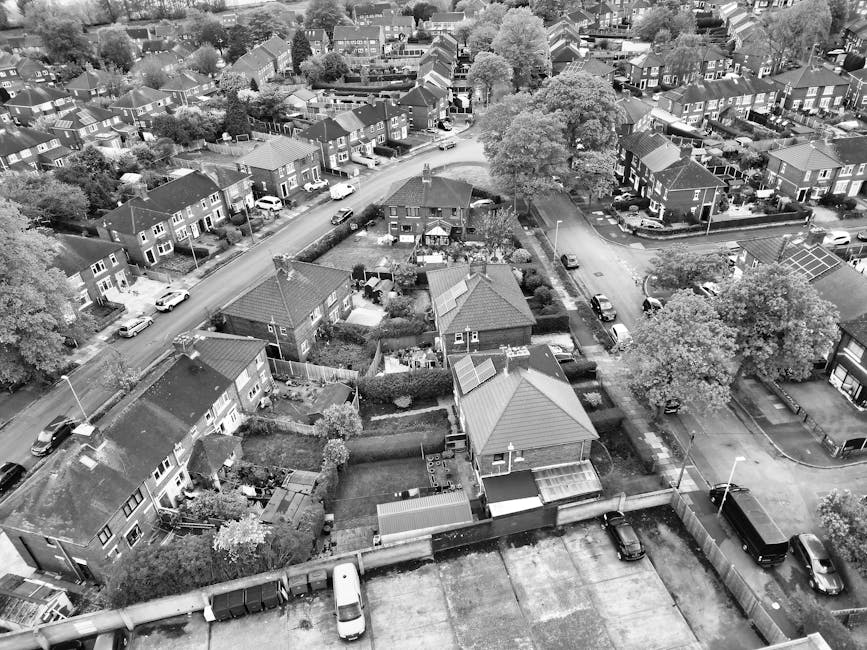
Catford is the kind of place where road layouts can feel tight, bays can be limited, and timing matters. A removal vehicle is not like a family car that can just tuck into any available space. It may need a loading bay, shared road access, or a specific arrangement for a short stop. If you are moving from a terraced street, a block of flats, or somewhere with permit-controlled parking, this matters even more.
People often assume a van can simply pull up outside and unload. Sometimes it can. Sometimes it cannot. The difference usually comes down to local restrictions, resident bays, yellow lines, controlled hours, and whether your move day overlaps with other traffic or school-run pressure. In our experience, the smaller the street, the more important the planning.
There is also a wider benefit: getting the permit side right creates a calmer move. You are not constantly watching the clock, the driver is not circling the block, and you do not end up carrying heavy furniture an extra 50 metres because the van had to stop somewhere awkward. Not ideal, really.
How Lewisham Council van permits for Catford moves works
The exact process depends on the street and the nature of the move, but the practical idea is straightforward: you make sure the removal vehicle has the appropriate permission to stop, wait, load, or unload where needed. The council may use permit-based parking controls, loading restrictions, or other local parking arrangements that affect removals vans and larger vehicles.
For a house move or flat move, the first question is not usually "Do I need a permit?" in the abstract. It is "Where will the van park, and what rules apply to that spot at the time I need it?" That small shift in thinking saves a lot of confusion. A van permit is not just a piece of admin; it is the practical bridge between a moving plan and the real street outside your property.
Depending on the location, you may need to consider:
- loading and unloading time windows
- resident permit zones
- single yellow or double yellow line restrictions
- shared-use bays
- time-limited parking bays
- access for a larger removal truck versus a smaller man and van vehicle
There is a useful distinction here. A smaller move may work well with a compact vehicle and straightforward roadside loading. A larger household move, or one involving heavy furniture and multiple trips, may need a bigger vehicle or even a more structured arrangement. That is where the vehicle choice matters, not just the permit. For larger jobs, some people also look at a moving truck or removal truck hire if the move volume is significant.
If you are comparing moving support options, it can help to think about your actual access problem first, not the moving label. A narrow street, awkward access, or lots of stair carries may point you towards a smaller, more flexible vehicle. A bigger load may justify a fuller removal setup. Simple, but easy to miss when you are staring at boxes at 9pm.
Key benefits and practical advantages
Sorting the permit side of a Catford move gives you more than compliance. It can improve the whole moving experience in some very practical ways.
- Less risk of delay: the vehicle can position itself closer to the property, which keeps loading and unloading moving.
- Lower chance of penalties: if the street is controlled, proper permissions reduce the risk of parking enforcement issues.
- Better handling of bulky items: long carries are tiring and increase the chance of knocks, scrapes, or someone taking a bad step on the stairs.
- Cleaner coordination: everyone knows where the van can stop and for how long.
- Less stress for neighbours: a planned move is usually less disruptive than a van blocking a road while everyone improvises.
There is also a quieter benefit that people do not talk about enough: it helps you stay organised. Once the parking piece is settled, you can focus on the actual move. Packing. Labelling. Protecting fragile items. Getting the kettle out before the final box disappears. The sensible stuff.
If you are arranging a full household move, it is often worth combining permit planning with professional help such as home moves or house removalists. If packing is the part you dread, packing and unpacking services can take a lot of pressure off the day.
Expert summary: the best move is rarely the one with the fanciest truck. It is the one where access, parking, timing, and load size all match up properly. Get those four things aligned and the day feels much easier.
Who this is for and when it makes sense
Not every Catford move needs the same level of parking planning. Still, the following situations are the ones where Lewisham Council van permits for Catford moves deserve real attention.
- Residents on permit-controlled streets: if your road uses resident bays or controlled parking, a move vehicle may need specific permission to stop.
- Flats and maisonettes: shared entrances, communal roads, and tighter access can make positioning more complicated.
- Bulky or high-volume moves: more items usually means more loading time and a bigger vehicle footprint.
- Business relocations: office furniture, stock, and equipment often require clear timing and access coordination.
- Short-notice moves: when everything is happening quickly, the permit question can be the one thing people forget.
If you are moving a small number of items, a straightforward man with van arrangement may be enough. For a larger relocation, especially a business one, moving support from commercial moves or office relocation services may be the more practical route. It really depends on the scale of the job.
There is no prize for overcomplicating it. If the property is easy to access and the van can park safely nearby, your permit needs may be modest. If the road is tight, busy, or restricted, the planning needs to be sharper. That is all.
Step-by-step guidance
Here is a sensible way to approach the permit side of a Catford move without making it your full-time project.
- Check your street conditions early. Look at the parking controls near both the old and new address. Pay attention to loading restrictions, resident bays, yellow lines, and bay hours.
- Work out the vehicle size. A small van, larger removals vehicle, or truck can all have different access needs. The bigger the vehicle, the more careful the planning.
- Estimate loading time realistically. Most people underestimate this. A sofa does not care about your schedule.
- Decide whether the van needs to stop right outside. Sometimes a short walk from a legal parking spot is fine. Sometimes it is not. Be honest about the furniture, stairs, and weather.
- Coordinate with the moving company or driver. Tell them about narrow roads, height restrictions, limited bay space, or awkward turning space.
- Arrange the permit or parking permission in advance. Do not leave this until the day before if you can help it.
- Prepare the property for fast loading. Keep hallways clear, protect floors if needed, and have boxes ready by the exit.
- Do a final street check on the day. Temporary roadworks, skip placement, or a neighbour's delivery can change the situation. It happens.
A useful habit is to walk the route from the front door to the van space the day before the move. You will spot things you would otherwise miss: a step that wobbles, a narrow gate, a low branch, the irritatingly placed bin collection point. Small stuff, but it matters when you are carrying a wardrobe.
Expert tips for better results
Here are a few practical points that come from the real world rather than a tidy checklist on a website.
Book your moving support before you finalise the parking plan. That sounds backwards, but it helps you match the right vehicle to the right street. A move in Catford might be far easier with a smaller van than with a larger truck if the road is narrow or controlled.
Keep the loading zone simple. The fewer obstacles outside the property, the faster the job goes. Move bins, bikes, prams, and anything else that might block the route.
Have a backup plan. What if the chosen bay is occupied? What if another car is parked in the space you counted on? It is worth deciding in advance where the next best stopping point is.
Tell the movers about access quirks. A flight of steps at the back, a shared drive, or a steep kerb can change unloading times more than people expect.
Think in terms of time blocks, not just dates. Morning school traffic, lunchtime deliveries, and evening congestion all affect how easy a move feels. Early moves are often calmer, though not always. In London, you take the quiet when you can get it.
If you are moving a mix of furniture and smaller household items, a service like furniture pick-up can be useful for single-item collections or awkward pieces that need careful handling. It is not the answer for every move, but for a one-off sofa or heavy cabinet it can make life simpler.
And one slightly obvious but important tip: label the boxes that need to come off first. You will thank yourself when you are tired, slightly dusty, and standing in a new kitchen at dusk wondering where the mugs went.
Common mistakes to avoid
Most move-day problems are not dramatic. They are small errors that stack up. That is what makes them annoying.
- Leaving parking until the last minute: by then you have less choice and more stress.
- Assuming a van can stop anywhere: controlled parking streets do not usually forgive assumptions.
- Choosing the wrong vehicle size: too small means too many trips; too large can mean access problems.
- Ignoring loading time: if you underestimate it, the whole schedule can slide.
- Forgetting about neighbours and access routes: shared hallways, driveways, and paths matter.
- Not checking both addresses: the old and new property may each have different parking conditions.
Another common issue is assuming the same setup will work for both ends of the move. Often it won't. The pickup address might be easy, but the delivery address could be on a busier road with stricter controls. That is why a move should be planned end to end, not just from the front door outwards.
To be fair, nobody gets excited about parking permissions. But if you get this one detail wrong, the rest of the day feels harder than it should. You can avoid that with half an hour of proper planning.
Tools, resources and recommendations
You do not need fancy software to manage a local move, but a few simple tools make a big difference.
- Phone notes or a moving checklist: useful for keeping track of addresses, times, contact numbers, and special access notes.
- Street photos: take pictures of the front of each property, the bay, and any tight access points. A driver will understand the layout faster.
- Measuring tape: handy for checking whether bulky furniture will clear a stair turn or door frame.
- Labels and marker pens: basic, yes, but very effective.
- Furniture blankets and straps: especially useful if you are using a man and van or a larger moving truck arrangement.
If you are arranging a broader move, you may also want to review the support options offered by home moves or office relocation services, depending on whether you are moving a household or a workspace. For business owners, the latter is often the better fit because office relocations tend to involve timing, equipment handling, and a need to keep disruption low.
If you have questions about how a service is organised, the team at about us can be a sensible place to understand the company background, while contact us is the page to use when you need to ask about your own move specifics. And if you want to understand the fine print around service use, the terms and conditions and privacy policy are there for a reason.
Law, compliance, standards, or best practice
Parking permissions and move-day access sit within the wider framework of local parking control and street management. The exact requirements depend on the location, the type of road, and the council's current approach. It is wise to treat council-managed parking as something to verify rather than assume. That is especially true in London, where one street may be straightforward and the next may be heavily controlled.
From a best-practice point of view, movers should aim to:
- avoid blocking emergency access
- keep footways and dropped kerbs clear where possible
- respect loading times and bay limits
- use the smallest practical vehicle for the job
- plan around peak traffic where possible
- communicate clearly with residents, building managers, or neighbours if shared access is involved
If your move involves a building with communal rules, there may also be management company requirements on lift bookings, loading access, or time slots. Those are not council rules, strictly speaking, but they can be just as important on the day. A polite reminder: the building manager is usually not impressed by "we thought it would be fine."
Good practice also means planning for fairness to the street around you. A move that is neatly organised, clearly timed, and as compact as possible tends to create fewer complaints and fewer hold-ups. That matters more than people think.
Options, methods, or comparison table
Choosing the right moving method is often as important as the permit itself. Here is a simple comparison to help you decide what suits your Catford move.
| Option | Best for | Parking and access impact | Typical practical note |
|---|---|---|---|
| Man and van | Small to medium moves, single rooms, lighter loads | Usually easier to position on tighter streets | Flexible, often good where access is limited |
| Man with van | Local moves, a few bulky items, quick collections | Low to moderate parking pressure | Helpful when you need speed and simplicity |
| Moving truck | Larger household moves, more furniture, longer loading time | Higher parking and manoeuvring demands | Needs more careful street planning |
| Removal truck hire | Moves needing extra capacity or scheduled loading | Can be more demanding in restricted areas | Best when volume is the main issue |
| Home moves / house removalists | Full household relocations | Depends on vehicle and property access | Often the most balanced choice for busy move days |
The main point is simple: the more difficult the access, the more your vehicle choice matters. A move that sounds modest on paper can become awkward if the street is narrow or the permit situation is tight. On the other hand, a well-matched smaller vehicle can make a complex Catford road feel surprisingly manageable.
Case study or real-world example
Picture a fairly typical Catford move. A couple is moving from a second-floor flat into a terraced house a few streets away. The first address is on a road with limited parking and a controlled bay just outside. The second address has a narrow entrance and not much space to manoeuvre. Nothing dramatic, but enough to make the day fiddly if nobody thinks ahead.
Instead of booking a large vehicle by default, they choose a smaller moving setup and check the parking conditions at both ends. They make sure the loading route from the flat is clear, book the stairs and hallway access into their timing, and leave boxes by the front door the night before. The van arrives, parks as close as it can within the rules, and the loading starts straight away. No circling, no last-minute panic, no awkward "just leave it there" moments.
Could the move have happened without the planning? Probably. Would it have been more stressful? Almost certainly. The difference is often less about the size of the job and more about the quality of the preparation. A moving day can feel chaotic, but it does not have to be messy.
Another realistic example: a small local business in Catford moving equipment and files to a new office. They do not need a giant lorry, but they do need reliable parking and a tight schedule. In that case, a commercial-focused service such as commercial moves or office relocation services makes sense because the job is about coordination as much as transport.
Practical checklist
Use this before move day. It is intentionally plain and useful.
- Confirm the exact moving date and time window
- Check the parking rules at both addresses
- Decide whether a permit or loading arrangement is needed
- Match the vehicle size to the street and the load
- Tell the moving team about stairs, lifts, or narrow access
- Clear hallways, entrances, and loading areas
- Label fragile boxes and priority items
- Measure any awkward furniture in advance
- Keep a phone charged for driver contact
- Have a backup parking option in mind
- Prepare keys, documents, and essential items separately
- Check the weather if outdoor waiting or loading is likely
Short version: know where the van will stop, how long it will need, and what might get in the way. That alone solves a lot.
Conclusion
Lewisham Council van permits for Catford moves are not glamorous, but they are one of the most useful parts of a smooth relocation plan. If you get the parking and access side right, everything else becomes easier: loading is faster, the team is calmer, and you avoid the kind of delays that make moving day drag on into the evening.
The best approach is simple. Check the street, match the vehicle to the property, plan the loading time properly, and do not leave the permit question hanging until the last minute. That is true whether you are moving a small flat, a family home, or a workplace with boxes stacked by the door and someone asking where the stapler went. Again.
If your Catford move feels like it has too many moving parts, start with the access and permit issue first. It is the boring bit that protects the whole day. And once that is done, everything else tends to fall into place a lot more easily.
Get a free quote today and see how much you can save.
Frequently Asked Questions
Do I always need a van permit for a Catford move?
Not always. It depends on the street, the parking restrictions, the vehicle size, and how long the van needs to stop. Some moves can be managed with simple roadside loading, while others need more careful permission planning.
What happens if the van cannot park right outside the property?
If the legal parking space is a short distance away, the team may need to carry items further. That can add time and effort, especially with heavy furniture. It is usually better to plan this in advance than to discover it on the day.
Is a smaller van better for Catford streets?
Often, yes. Smaller vehicles can be easier to position on tight or controlled roads. But the right choice depends on the amount of furniture, the number of boxes, and how much loading time you need.
Can I use a moving truck in a restricted parking area?
Sometimes, but it depends on the exact restrictions and whether the vehicle can legally stop there. Larger vehicles can create more access issues, so it is worth checking the route and parking conditions carefully.
Should I arrange parking at both the old and new address?
Yes, ideally. People often focus on the pick-up point and forget the delivery point. In practice, both ends matter, especially in London where parking conditions can change quickly from street to street.
How early should I sort the permit or parking plan?
As early as you can. Even if the move is straightforward, leaving it late can limit your options. A few days of planning often saves a lot of stress.
What is the difference between a man and van and a full removal service?
A man and van setup is usually more flexible and suited to smaller or local moves. A fuller removal service is better for bigger loads, more furniture, or moves where you want more hands and structure on the day.
Do office moves need different planning from home moves?
Usually, yes. Office moves often involve business hours, equipment handling, and tighter timing. That is why services like office relocation support can be more suitable than a simple domestic move option.
Can packing help reduce permit problems?
Indirectly, yes. Better packing means faster loading and unloading, which can reduce the time a van needs to stay parked. That matters when space is limited or the street is busy.
What should I tell the moving company before the job starts?
Tell them about the road layout, parking restrictions, stairs, lifts, access codes, narrow entrances, and any bulky or fragile items. The more they know upfront, the smoother the day tends to be.
What if there is a last-minute parking problem on moving day?
Stay calm and use the backup plan you set earlier. It may be a different bay, a different vehicle position, or a short wait while access clears. The important thing is not to improvise blindly when the clock is already ticking.
Where can I find help with home or commercial moving support?
You can review the relevant moving options, including home moves, house removalists, and commercial moves, depending on whether you are relocating a home or a business. If you need to discuss your specific move, contact us is the natural next step.