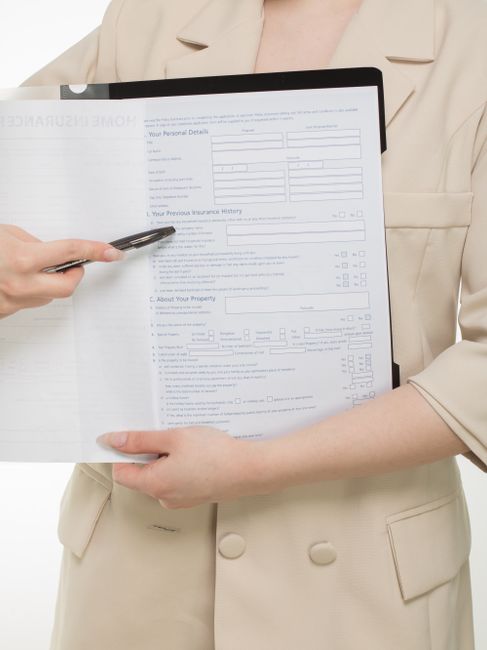
Legal liability and insurance for Catford removals: what you need to know before moving day
Moving home or business in Catford should be exciting, not a quiet exercise in worrying about broken furniture, missing boxes, or who pays if something goes wrong. That is exactly why legal liability and insurance for Catford removals matters. It sits behind the scenes, but when a sofa scrapes a wall or a box arrives damaged, it suddenly becomes the most important part of the job.
In simple terms, liability decides who is responsible if loss or damage happens during a move. Insurance decides how that responsibility is financially handled. Get those two things clear before the van arrives and you will save yourself a lot of stress. To be fair, most people do not think about this until they are already packing the kettle. By then, it is a bit late.
This guide explains how liability works in a removals context, what kinds of insurance are commonly involved, what to ask before booking, and how Catford customers can protect themselves whether they are moving a flat, a family house, or a business premises. You will also find a practical checklist, a comparison table, and straight answers to common questions.
Table of Contents
- Why legal liability and insurance matter
- How liability and insurance work in removals
- Key benefits and practical advantages
- Who this is for and when it makes sense
- Step-by-step guidance
- Expert tips for better results
- Common mistakes to avoid
- Tools, resources and recommendations
- Law, compliance, standards and best practice
- Options, methods and comparison table
- Case study or real-world example
- Practical checklist
- Conclusion
- Frequently asked questions
Why Legal liability and insurance for Catford removals Matters
Removals look straightforward from the outside: load, drive, unload, done. But once you factor in stairwells, tight parking, awkward antique furniture, weather, fragile items, and the general chaos of moving day, you can see why risk management matters. A cracked TV screen or dented door frame is annoying at best and expensive at worst.
For customers in Catford, liability is especially important because many moves happen in busy residential streets, shared entrances, maisonettes, and properties where access is not always simple. A van may need to park carefully, items may need to be carried over short distances, and one small mistake can ripple into a bigger problem. Insurance is there to soften that blow, but only if the cover is actually suitable for the type of move.
Here is the part many people miss: not all "insurance included" language means the same thing. Some cover relates to the vehicle, some to the goods, and some only applies under limited conditions. If you are booking home moves or arranging a larger household relocation through house removalists, it is worth checking what the operator covers and what your own home insurance might already exclude during transit.
Think of it as avoiding the awkward conversation after the move. You know the one. "I thought that was covered." Nobody enjoys that. Nobody.
How Legal liability and insurance for Catford removals Works
Liability in removals is the legal responsibility for damage, loss, or injury connected to the move. Insurance is the financial back-up that may pay out if a covered event occurs. In practice, they work together but they are not identical.
1) Liability starts with the service provider's duty of care
A removals company or man-with-van operator should take reasonable care of your belongings and property. That means loading properly, handling items sensibly, and using equipment and vehicles appropriately. If they act carelessly and damage occurs, they may be liable. That does not automatically mean they will pay instantly, though. You usually need to show what happened, when it happened, and that the damage was linked to their actions.
2) Insurance helps cover the financial impact
Insurance may cover accidental damage, loss in transit, public liability claims, or damage caused to third-party property. But coverage varies a lot. A common mistake is assuming all removal insurance is the same. It is not. Some policies are broad, others narrow, and some have exclusions for items packed by the customer rather than the mover.
3) Contracts and terms shape the real outcome
The practical details usually sit in the service terms. That is why reading the moving company's terms and conditions matters more than most people expect. They often explain limits, exclusions, claim timeframes, and what counts as acceptable packing. In the same way, the company's privacy policy tells you how personal data is handled when you request a quote or book a move, which is useful if you are dealing with addresses, contact details, and access notes.
4) Different move types can mean different risk profiles
A small furniture collection is not the same as a full office relocation. If you are moving stock, specialist equipment, or confidential files, the risk picture changes. That is why commercial clients often look closely at commercial moves and office relocation services rather than treating them like standard household jobs. Likewise, larger load plans may require a dedicated moving truck or removal truck hire, and the vehicle arrangement can affect the level and type of risk.
It sounds technical, but the basic idea is simple: know who is responsible, know what is covered, and do not assume anything. That alone saves plenty of grief.
Key Benefits and Practical Advantages
Good liability planning and the right insurance are not just about legal neatness. They make the whole move calmer, more predictable, and a lot less likely to turn into an argument over a broken lamp.
- Financial protection: If an item is damaged or lost, appropriate cover can reduce the out-of-pocket cost.
- Clearer expectations: Everyone knows what is covered, what is not, and what counts as a claim.
- Lower stress: You can focus on settling in rather than wondering whether your sofa is "safe enough".
- Better planning: A provider that talks openly about liability usually works in a more organised way overall.
- Useful for disputes: Written terms, inventories, and photos make it easier to sort things out fairly if there is a problem.
There is also a quieter benefit that people often overlook: confidence. When you know a move is properly covered, you make decisions faster. You stop second-guessing every box and every corner. That matters more than people think, especially on a rainy afternoon when the lift is slow and the hallway is already crowded with cardboard.
For customers using services like man and van or man with van, the balance between cost and protection is usually the big question. Insurance can add to the price, but inadequate cover can be far more expensive if something goes wrong. It is a classic trade-off, and honestly, the cheapest quote is not always the best value.
Who This Is For and When It Makes Sense
This topic is relevant to almost anyone moving goods, but some people need to think about it more carefully than others.
Home movers
If you are moving a flat, terrace, or family home in Catford, liability and insurance matter because you are likely moving mixed-value items: furniture, TVs, mirrors, kitchenware, electronics, and sentimental things that cannot easily be replaced. A standard move may look simple, but one chipped dining table can take the shine off the whole day.
Business owners and office managers
Commercial moves can involve desks, servers, laptops, filing systems, sample stock, and equipment that is expensive or sensitive. A short delay or a small accident can interrupt work. That is why business customers often want more detail on insurance limits, handling procedures, and access arrangements.
People hiring helpers for small jobs
If you are arranging a single-item collection through furniture pick up, or asking for labour and vehicle support for a few bulky pieces, liability still matters. A "small job" can still produce a big claim if a sofa damages a banister or a fridge cracks a floor tile.
Anyone dealing with awkward access
Top-floor flats, narrow staircases, limited parking, basements, and shared entrances are all situations where care and clear liability really pay off. One person carrying a wardrobe around a tight corner, another holding the door, maybe a neighbour trying to squeeze past with shopping - that is where accidents usually happen.
If you are unsure how much protection you need, ask yourself a simple question: could I afford to replace or repair the item if it were damaged tomorrow? If the answer is no, then cover is worth serious attention.
Step-by-Step Guidance
Here is a practical way to handle legal liability and insurance before a removals job begins.
- List what is being moved. Write down the bulky, fragile, valuable, and unusual items. This helps you identify what needs special care.
- Ask what cover is included. Do not settle for a vague "yes, we're insured". Ask what type of insurance it is, what it covers, and whether there are item limits.
- Check exclusions. Find out whether customer-packed boxes, loose items, or hidden defects are excluded.
- Confirm handling responsibilities. Ask who will dismantle furniture, wrap fragile pieces, and load the vehicle.
- Document valuables before the move. Photos and short notes can help if you need to make a claim later.
- Review access details. Stairs, lifts, parking restrictions, and loading points can affect both safety and liability.
- Read the terms carefully. Especially the claim deadline, damage reporting rules, and any caps on compensation.
- Tell the provider about special items. Pianos, antiques, artwork, and awkward furniture need upfront discussion, not a surprise on the day.
- Keep important records. Save the quote, booking confirmation, and any inventory or itemised notes.
A small practical tip: if you are using packing and unpacking services, make sure you know who packed which box. That distinction can matter if a fragile item is damaged in transit. It is one of those details people forget while chasing tape and marker pens. Then, two days later, it suddenly matters a lot.
Another good habit is to ask for everything in writing. A verbal assurance can be helpful, sure, but written confirmation is what you want if the move becomes complicated.
Expert Tips for Better Results
These are the small things that tend to make the biggest difference.
- Choose clarity over guesswork. If an answer is vague, ask again.
- Use a simple inventory. Even a basic room-by-room list is better than memory.
- Take a few photos. Especially of pre-existing marks, delicate items, and high-value goods.
- Separate essentials. Keep passports, keys, medication, chargers, and documents with you rather than in the van.
- Be honest about item condition. Old wobbly furniture may need extra caution or may not travel well at all.
- Speak up about access issues early. A van can be arranged, but only if the mover knows the situation in advance.
- Compare like for like. A cheaper quote with weak cover is not a genuine saving.
In our experience, the smoothest moves are usually the ones where the customer and mover have the same picture in mind before the first box is lifted. Nothing glamorous there. Just solid communication and a bit of patience.
If you are arranging a larger business move, it is wise to ask how liability is handled for IT equipment, confidential files, and temporary storage during transfer. Those bits are rarely exciting, but they are the items that create the biggest headaches if they go missing.
Common Mistakes to Avoid
These are the errors that cause most of the frustration after a move.
- Assuming all insurance is equal. It rarely is.
- Not reading the terms. That is where the limits usually hide.
- Forgetting to mention fragile or valuable items. If the mover does not know, they cannot plan properly.
- Packing badly and expecting cover anyway. Some policies exclude damage caused by poor customer packing.
- Leaving everything until the last minute. Rushed packing creates breakage risk.
- Not checking liability for property damage. A scratched wall or damaged door frame can become a separate issue from item damage.
- Choosing purely on price. Cheap is comforting right up until it is not.
There is also a softer mistake: not asking enough questions because you do not want to seem difficult. Don't worry about that. A reputable provider should expect it. If anything, careful questions are a sign of a sensible customer.
Tools, Resources and Recommendations
You do not need a complicated toolkit to manage removals risk well. A few basic things go a long way.
- Inventory list: A notebook, spreadsheet, or phone note is enough.
- Camera or phone photos: Useful for recording condition before loading.
- Labels and marker pens: Helps you identify fragile boxes and room destinations.
- Protective wrapping: Bubble wrap, blankets, and covers for corners and edges.
- Copies of booking documents: Keep them handy on moving day.
If you are comparing services, it helps to look beyond the van itself and think about the full move. For example, a provider offering moving truck support may suit larger loads, while a flexible van-based service can work well for smaller moves where access is tight. There is no single best option. It depends on the scale of the job, the value of the goods, and how much help you want.
For larger relocations, especially where multiple rooms or workstations are involved, it can also make sense to review the provider's wider approach by looking at their service information, such as about us. That can give you a feel for how they describe their process, what kind of work they focus on, and whether they present risk management in a sensible way.
And yes, a good old-fashioned printed list still works. Slightly unglamorous, but it gets the job done.
Law, Compliance, Standards, or Best Practice
Without turning this into a legal lecture, there are a few practical principles worth keeping in mind.
First, any removals business should be clear about its contractual terms, service scope, and claim process. Second, it should be honest about what its insurance does and does not cover. Third, it should take reasonable care with goods and property. Those are the basics, but they matter because they shape what happens if there is a dispute.
For customers, the best-practice approach is simple: ask for written confirmation of cover, read the terms before paying a deposit, and keep records of what was moved and in what condition. If you are arranging a commercial move, make sure internal stakeholders understand the plan too. That includes reception staff, office managers, and anyone handling equipment on the day.
Where goods are especially valuable or sensitive, it is sensible to discuss additional protection or specialist handling rather than assuming standard removals cover will be enough. That might mean extra packaging, a different vehicle, or a more tailored service arrangement. Slightly more effort upfront, much less drama later.
Options, Methods, or Comparison Table
Not every move needs the same level of liability detail. Here is a simple comparison to help you think it through.
| Option | Best for | Typical risk profile | What to check |
|---|---|---|---|
| Standard home removal | Households moving furniture and boxes | Medium | Transit cover, packing rules, property damage responsibility |
| Man and van | Small loads, short moves, furniture collection | Variable | Vehicle cover, goods-in-transit cover, loading assistance |
| Commercial move | Shops, offices, and business equipment | Higher | Item value limits, downtime risk, confidentiality handling, timing |
| Specialist item move | Antiques, electronics, heavy or delicate items | Higher | Special handling, exclusions, packing requirements, claims process |
If you are comparing services, you might also look at the practical side of the move itself, not only the paperwork. For example, removal truck hire can suit people who need more space and control over larger loads, while a smaller van approach can be better when access is limited and only a few items need shifting. That is one of those judgment calls that saves time later.
There is no trophy for choosing the most complicated option. Choose what fits the job, and let the insurance match the job too.
Case Study or Real-World Example
Imagine a Catford family moving from a first-floor flat to a terraced house a few streets away. They have a sofa, two beds, a dining table, several boxes of kitchenware, and a large mirror wrapped in blankets. The staircase is narrow. The front door opens awkwardly onto a tight landing. Not disastrous, but not exactly easy either.
On the day, the team checks access, protects the corners of the sofa, and confirms which items were packed by the customer and which were packed by the mover. Halfway through, the mirror nearly catches a bannister. No damage occurs because the route was planned properly. That is the ideal outcome. Quiet, efficient, no drama.
Now imagine the same move but without any discussion of liability, no photos, no written terms, and no clarity on what insurance applies. If the mirror had cracked or the wall had been marked, the conversation afterwards would be much harder. Who packed it? Was it already chipped? Did the mover take reasonable care? Was the claim reported on time? Those are the questions that turn a small incident into a long email chain.
A similar pattern appears in office moves. A business relocating printers, monitors, and files can avoid a lot of hassle by agreeing in advance how items will be labelled, carried, and recorded. A little planning. A bit of written detail. It really does help.
Practical Checklist
Use this before your move starts.
- Ask what insurance is included and what it covers.
- Check whether goods in transit are covered.
- Confirm whether public liability cover is in place for property damage.
- Read the terms and conditions carefully.
- Photograph valuable and fragile items before packing.
- Make a basic inventory of rooms and boxes.
- Tell the mover about access issues, stairs, lifts, and parking.
- Highlight antiques, electronics, artwork, and bulky furniture.
- Keep essential documents and valuables with you.
- Get claim procedures in writing, including deadlines.
- Use a trusted service plan that matches the size of your move.
- Double-check who is packing which items.
Expert summary: the best removals protection is not just "having insurance". It is having the right insurance, paired with clear communication, sensible packing, and written terms you actually understand. That combination is what keeps moving day boring in the best possible way.
Conclusion
Legal liability and insurance for Catford removals is one of those topics that only feels boring until something goes wrong. Then it becomes the whole story. The good news is that it is very manageable once you know what to look for: clear cover, written terms, sensible packing, and honest communication about the items being moved.
Whether you are booking a family relocation, a furniture collection, or a business move, the right approach is the same. Ask questions early, keep records, and make sure the service matches the real level of risk. That way, the move feels organised instead of improvised, and your belongings have the best chance of arriving exactly as they left.
If you are planning a move and want a smoother, more confident start, take a moment to review your options, check the details, and choose a provider that treats liability and insurance properly from the outset. A calm move is a good move, honestly.
Get a free quote today and see how much you can save.
Frequently Asked Questions
What does legal liability mean in a removals service?
It means the removals provider may be responsible if their actions cause loss or damage during the move. The exact outcome depends on the facts, the contract, and whether reasonable care was taken.
Is removals insurance the same as vehicle insurance?
No. Vehicle insurance covers the van or truck itself, while removals insurance may cover goods in transit or liability for property damage. They are separate things, and both can matter.
Do I still need insurance if I am only moving a few items?
Yes, because even a small move can involve expensive or fragile items. A single damaged TV, mirror, or piece of furniture can cost more than the move itself.
What should I ask a removals company before booking?
Ask what cover is included, what exclusions apply, whether customer-packed boxes are covered, how claims are handled, and whether there are item value limits.
Does my home insurance cover items while they are being moved?
Sometimes, but not always. Many policies have exclusions or conditions during transit, so you should check the wording carefully before assuming you are protected.
Are customer-packed boxes covered if they break?
That depends on the provider and the policy. Some cover excludes damage caused by poor packing or fragile items packed without proper protection.
What is public liability cover in removals?
Public liability cover is designed to help if the mover causes damage to property or injury to a third party during the job. It is one of the most useful protections to ask about.
How do I prove that an item was damaged during the move?
Take photos before and after the move, keep an inventory, note any existing marks, and report the problem as soon as you notice it. Written records help a great deal.
Do office moves need different insurance from home moves?
Often, yes. Office relocation can involve IT equipment, confidential materials, stock, and higher business disruption risk, so the cover and handling needs may be more detailed.
What if I have antiques or very valuable furniture?
You should tell the mover in advance and ask whether specialist handling or additional cover is needed. Standard removals arrangements may not be enough for high-value or delicate items.
Can I reduce the risk by using packing and unpacking services?
Yes. Professional packing often reduces breakage risk, provided the items are packed correctly and the scope of responsibility is clear. It is not a magic shield, but it helps a lot.
What is the best next step if I am unsure about cover?
Ask the provider to explain the insurance and liability terms in plain English before you book. If anything feels vague, get clarification in writing. That small step can save a lot of trouble later.